
No products in the cart.
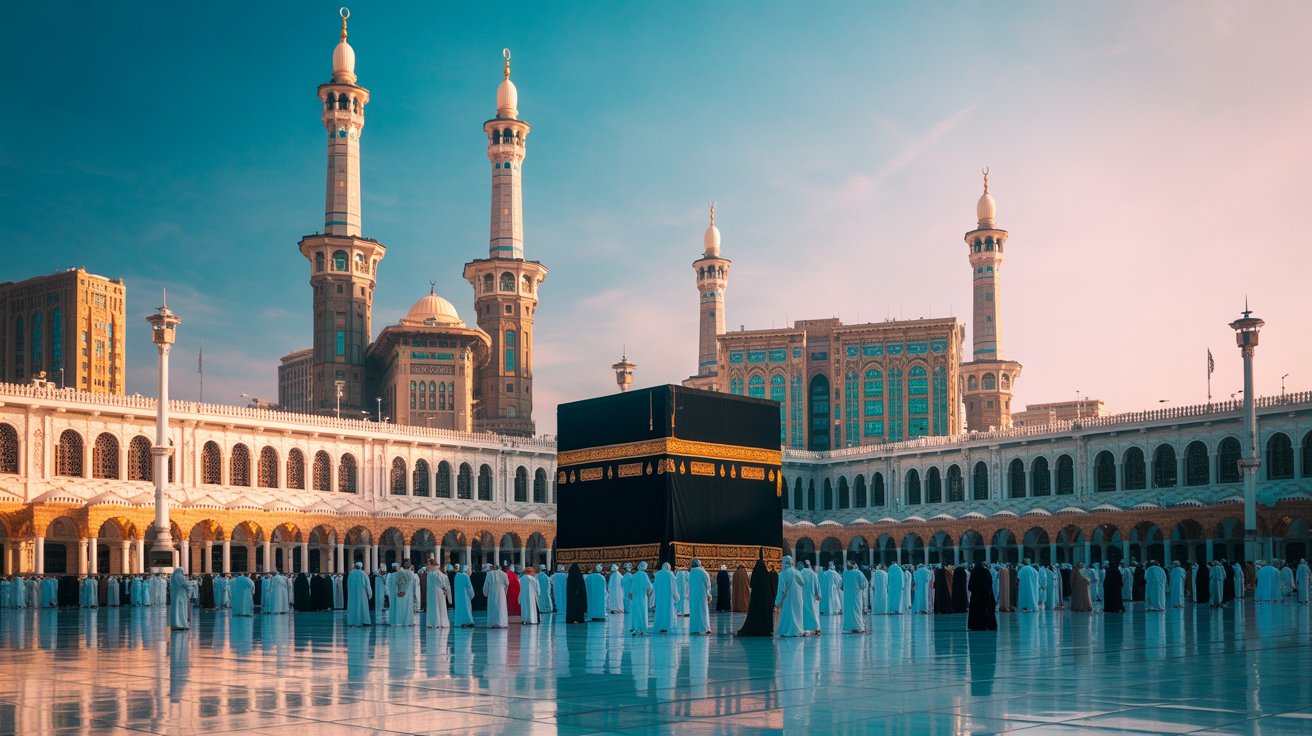
Rabitah: Uniting Islamic Leaders for a Stronger Ummah in Western Nigeria
-
by
robitahhh
- No Comments on Rabitah: Uniting Islamic Leaders for a Stronger Ummah in Western Nigeria
Introduction: The Need for Unity in Islamic Leadership
In Western Nigeria, Islam has flourished for centuries, shaping culture, education, governance, and social values. From bustling cities like Lagos and Ibadan to smaller towns, Islamic scholars, rulers, and community leaders have historically served as the pillars of guidance, justice, and faith-based development. Yet, despite this rich heritage, modern challenges—ranging from social fragmentation, youth disengagement, economic inequality, and misinformation—threaten the cohesion and growth of Muslim communities.
This is where Robitah emerges as a groundbreaking platform. Designed to unite Imams, Alfas, Muslim Kings, and Nobles, Robitah is more than a forum; it is a collaborative hub for deliberation, strategic planning, and faith-centered action. Its mission is simple yet profound: to empower leaders to serve their communities more effectively while fostering unity, development, and adherence to the call of Allah.
Islam teaches in the Qur’an: “And hold firmly to the rope of Allah all together and do not become divided” (Surah Al-Imran, 3:103). Robitah embodies this principle, creating a structured mechanism through which leaders can come together, exchange ideas, and collectively tackle societal challenges.
The Vision of Robitah: A Platform for Collaboration
At its core, Robitah envisions a unified leadership that strengthens the Muslim Ummah across Western Nigeria. The platform recognizes that no single leader—regardless of title or status—can address all the challenges facing Muslim communities today. By creating a collaborative network, Robitah allows leaders to leverage collective knowledge, experience, and influence.
Key pillars of Robitah’s vision include:
- Unity Among Leaders: Bridging gaps between Imams, Alfas, Kings, and Nobles to foster dialogue and shared decision-making.
- Community-Centered Leadership: Ensuring that decisions and programs directly address the social, educational, and spiritual needs of Muslim communities.
- Sustainable Development: Promoting initiatives that have long-term impact, such as educational programs, healthcare outreach, and youth mentorship schemes.
- Faith-Guided Governance: Ensuring all actions align with Islamic principles, balancing tradition with modernity.
By formalizing this collaborative structure, Robitah ensures that leadership is inclusive, accountable, and impactful.
Faith and Leadership: Guiding Principles
Robitah places Islamic teachings at the heart of its leadership model. Leaders on the platform operate under the principle that faith is inseparable from service. Islamic leadership is not merely a title or honor; it is a responsibility to guide, protect, and empower communities.
Core principles emphasized on Robitah include:
- Service Before Authority: Leaders are reminded that “The leader is a shepherd and is accountable for his flock” (Hadith, Sahih Muslim). Decisions are made with the welfare of the community as the top priority.
- Collaboration Over Competition: By uniting scholars, rulers, and nobles, Robitah discourages rivalry that can fracture communities. Instead, knowledge sharing and mutual respect are cultivated.
- Accountability and Transparency: Initiatives, funding, and programs are executed transparently, building trust with the communities they serve.
Through these guiding principles, Robitah empowers leaders to act decisively while remaining grounded in ethical and religious values.
Community Development Initiatives
Robitah is not just theoretical—it is action-oriented. Leaders on the platform initiate programs that address pressing issues within Muslim communities.
1. Education Programs:
Education remains a cornerstone of community development. Robitah facilitates the creation and funding of Islamic schools, scholarship programs for students, and adult literacy classes. Leaders collaborate to ensure curricula balance religious knowledge with practical skills necessary for the modern world.
2. Youth Empowerment:
Youth represent both the present and future of the Ummah. Robitah emphasizes mentorship programs, vocational training, and guidance initiatives to prevent alienation, radicalization, or social disengagement. Leaders host forums and workshops where young Muslims can engage with scholars and role models, gaining inspiration and actionable skills.
3. Humanitarian Outreach:
Muslim communities face socioeconomic challenges such as poverty, healthcare access, and disaster response. Robitah coordinates charitable initiatives—including food drives, medical camps, and emergency relief—leveraging the combined influence of Kings, Nobles, and religious leaders to maximize reach and effectiveness.
4. Social and Religious Guidance:
Robitah encourages leaders to address contemporary issues such as technology use, ethical business practices, family guidance, and interfaith relations. Through conferences and workshops, scholars and leaders develop strategies to tackle modern problems while remaining true to Islamic principles.
Digital Transformation and Accessibility
In today’s interconnected world, the impact of leadership extends beyond physical gatherings. Robitah embraces technology to create a digital hub for collaboration.
- Virtual Meetings and Conferences: Leaders can deliberate on urgent issues even if geographically dispersed.
- Resource Sharing: Educational materials, research papers, and community program guidelines are available digitally, allowing for consistent implementation across regions.
- Community Engagement: Robitah uses social media and online platforms to communicate initiatives, successes, and opportunities for community involvement.
Digital integration ensures that Robitah’s impact is not limited by distance or logistics—it creates a continuous, dynamic dialogue that strengthens leadership and community outcomes.
Bridging Tradition and Modernity
One of Robitah’s most remarkable achievements is balancing the rich Islamic traditions of Western Nigeria with contemporary governance and leadership practices.
- Cultural Respect: By including Kings and Nobles, the platform respects local customs, traditions, and authority structures.
- Modern Solutions: Through collaboration and digital tools, leaders implement modern solutions for education, finance, and community organization without compromising religious values.
- Intergenerational Engagement: Robitah ensures younger leaders and scholars are integrated, preserving knowledge transfer while encouraging innovation.
This balance enables Muslim communities to navigate modern challenges without losing the essence of their faith and cultural identity.
Impact Stories: Robitah in Action
Real-world initiatives highlight the transformative potential of Robitah:
- Education Scholarship Programs: In Ibadan, collaborative funding allowed 50 underprivileged students to attend Islamic schools with integrated STEM programs.
- Youth Mentorship Camps: Lagos hosted workshops where 200 young Muslims received mentorship on leadership, career planning, and entrepreneurship.
- Humanitarian Outreach: During a flood crisis, Robitah coordinated relief efforts, distributing food, medicine, and temporary shelter to hundreds of affected families.
- Community Dialogue Forums: Scholars and leaders engaged local communities in discussions on ethics, business, and religious adherence, strengthening social cohesion.
These examples demonstrate that Robitah is not merely a discussion platform—it is a catalyst for meaningful, measurable change.
Challenges and How Robitah Overcomes Them
Despite its success, Robitah faces challenges typical of large collaborative initiatives:
- Diverse Opinions: With multiple leaders, differing opinions can slow decision-making. Robitah mitigates this through structured deliberations and consensus-building techniques.
- Resource Limitations: Funding and human resources are finite. Robitah leverages collective networks and partnerships to maximize impact.
- Youth Engagement: Younger generations can be disengaged or skeptical. Targeted mentorship programs and digital outreach help bridge this gap.
- Balancing Tradition and Innovation: While respecting local customs, Robitah also encourages modernization. Continuous dialogue ensures a careful balance.
By addressing these challenges strategically, Robitah strengthens its credibility and effectiveness.
The Role of Faith in Sustaining Leadership
Robitah emphasizes that faith is the foundation of effective leadership. Leaders are reminded that guidance is a responsibility, not a privilege. The Qur’an states:
“Indeed, Allah commands you to render trusts to whom they are due and when you judge between people to judge with justice” (Surah An-Nisa, 4:58).
Through Robitah, leaders internalize this principle, ensuring that their decisions, programs, and initiatives align with justice, compassion, and ethical governance. Faith is not just a personal practice—it is the cornerstone of leadership accountability.
Conclusion: Robitah as a Catalyst for Change
Robitah represents a new era of Islamic leadership in Western Nigeria. By uniting Imams, Alfas, Kings, and Nobles, it creates a platform for dialogue, collaboration, and action. From education and youth empowerment to humanitarian outreach and community development, Robitah transforms ideas into impactful initiatives.
The platform exemplifies how faith, unity, and leadership can combine to address modern challenges while preserving Islamic tradition. For communities seeking guidance, inspiration, and tangible support, Robitah stands as a beacon of hope, collaboration, and progress.
In a world where division and disconnection are increasingly common, Robitah demonstrates that collective leadership guided by faith can build a stronger, more resilient Ummah—one initiative, one community, and one leader at a time.